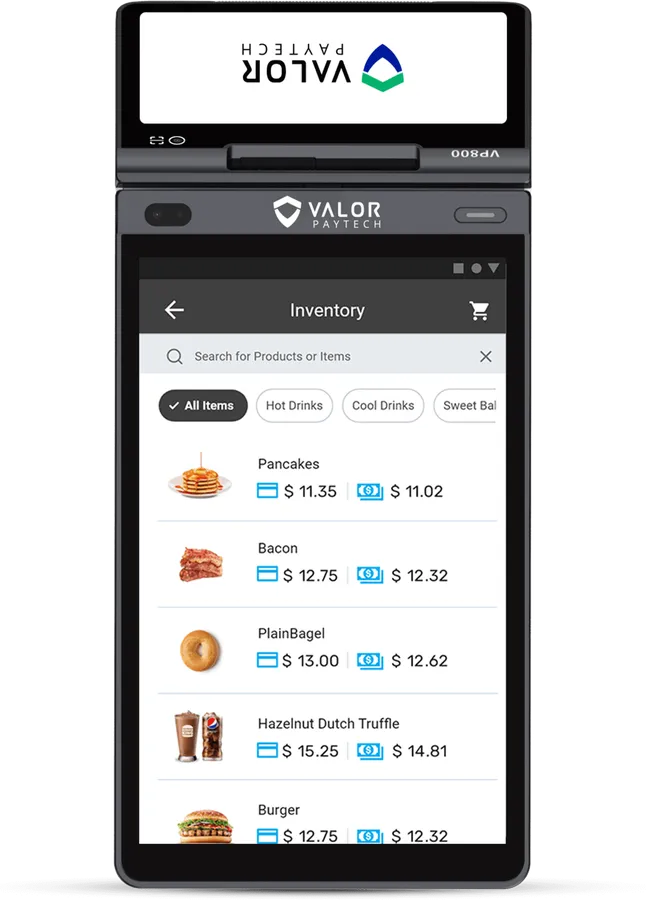
Countertop with customer screen
VP800
Your customer sees both prices on their own screen.
- 8-inch screen for you, 5-inch screen for the customer
- Fast receipt printer
- Wi-Fi, 4G or Ethernet
- Item list and simple inventory app
For pizza shops, cafés, delis and small restaurants that ring up on a cash register, or on a POS that lets you pick your card processor. Your menu shows a cash price and a card price 3.75% higher, so the card fee comes out of the card price.
Card pays $18.68, $0.68 more. That difference pays the card fees, so you keep the full $18.00 either way.
Every item on the board shows what cash pays and what card pays. Tap a counter to see it again.
Slice $3.50 cash $3.63 card
Latte $5.00 cash $5.19 card
Sandwich $11.00 cash $11.41 card
Pick one and we’ll tell you straight.
Great fit
Our terminal sits next to your register and takes the card. Nothing else changes.
Likely a fit
Many restaurant registers let you choose who processes your cards. Tell us which one you use and we check it on the call.
Maybe
Clover devices are usually tied to whoever sold them. Many shops keep ringing up as they do and take cards on one of our terminals. We’ll check yours on the call.
Terminal only
Square’s register only runs Square payments. If you’d take cards on one of our terminals at the counter instead, we can talk.
Not a fit
Toast only runs Toast payments, so there’s no way to add ours. Sorry about that.
Today, card fees take about
$1,035
a month, or $12,420 a year.
With a cash discount, card customers pay the posted card price, 3.75% above cash. That difference pays the card processing, so a card sale leaves you the same as a cash sale. Every rate is in your agreement before you sign, and Paymantis pays your monthly service fee.
Where the money comes from: card customers pay the card price on the tag, 3.75% above the cash price. On $35,000 of card sales at your cash prices, that adds up to about $1,313, which pays the processing cost. This is an example using the published rate you picked, not a quote. Your result depends on your card volume, card mix, how many customers switch to cash, and the program’s final pricing.
Countertop with customer screen
Your customer sees both prices on their own screen.
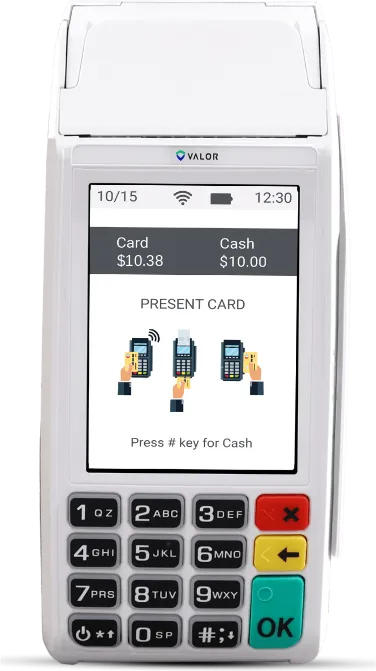
Wireless handheld
Walk it to the station. Tip on the screen.
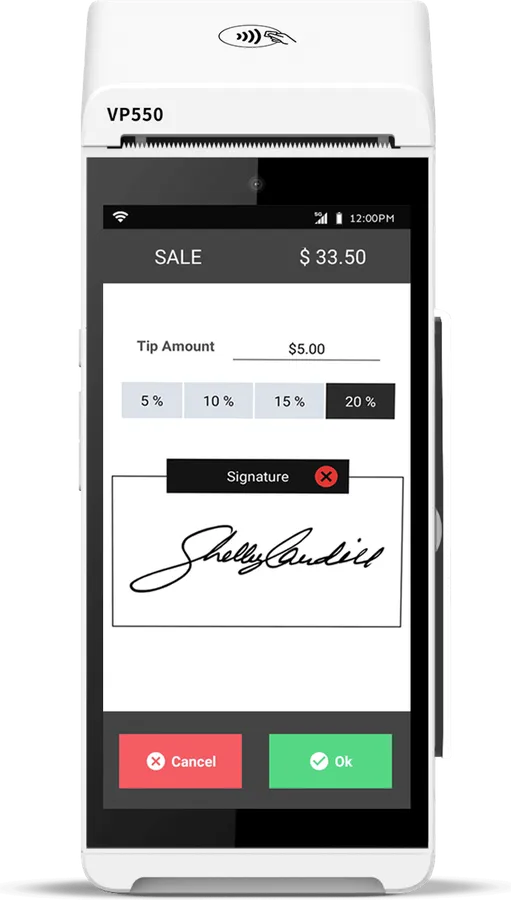
Android handheld
Bigger screen for tips and signatures.
Your menu board shows both prices. Signs go up at the door and the counter. At checkout the terminal asks card or cash, takes the tip on screen and prints the receipt. Your kitchen, your delivery apps and your online orders don’t change.
No. Toast only runs Toast payments, so there’s no way to add another processor. If you ever leave Toast, call us.
Square’s register only runs Square payments. Clover devices are usually tied to whoever sold them. Either way, many small spots keep ringing up the way they do and take cards on one of our terminals at the counter. We’ll look at your setup on the call.
The terminal asks for the tip on the screen after the price, with set percentages or a custom amount. Handhelds go to the table so the card never leaves the customer’s sight.
No. Orders through delivery apps and your online ordering keep running through those services. The cash discount is for what you ring up in the shop.
Both prices for each item, cash and card, so customers know before they order. We help you word the board and send counter signs. Pricing rules vary by state and city, so check yours before you start.
Two minutes, no Social Security number, no bank details. We look at your shop and call you back with the real numbers.